Wednesday, October 26, 2011

Telling Stories Outside the Box

For our class project, our group has chosen to focus on the gentrification of the East End of Pittsburgh.
One way I think would be interesting to tell the story is through a kind of photo essay. In the past two decades, the area has undergone a lot of change, so I think it would be interesting to follow a certain spot, for example the corner of Highland Ave and Penn Circle, through the changes it has gone in the past few years, making a kind of visual timeline.
Another thing I think would be to use a Google Maps type of apparatus to showcase the different kinds of homes and businesses in the area. Even within the same block, there are some higher end shops and restaurants located next to extremely dilapidated storefronts. I think it would be interesting to contrast the two types of storefronts and maybe try to show the different people that frequent them. I also think it would be interesting to compare the storefronts, which tend to be a little dingy across the board, with what the insides of the stores look like.
My last idea would be to do an infographic of the area. I think having a kind of bird's eye view map displaying what businesses arrived when and their annual income would be very interesting to try and show how the neighborhood is changing. You could also do one of movement of people in and out of the neighborhood; showing where the new influx came from and where the previous inhabitants went throughout the city.

Wednesday, October 12, 2011

A Taste of Pittsburgh

A Taste of Pittsburgh

The Breakfast Issue – Theme
Title –“The Breakfast Club”

Layout
Pages (25) Heavy on full page photos

Cover – typical breakfast picture (bacon, eggs, pancakes, etc…)


How many stories would you have?
3 longer stories
A handful of blurbs about restaurants
3-5 pages of anecdotal stories (laid back casual pieces)
Recipes for a week (Monday, Tuesday, Wednesday, Thursday, Friday, Saturday, Sunday – menu)

Art
Map of Pittsburgh restaurants – every place that gets mentioned is pictured on the back cover
Submissions of art: cartoons and pictures

Video
Cooking show video, man on the street interviews about restaurants and favorite foods, clips showing television shows featuring restaurants in Pittsburgh

How many stories would we accept?

  • · Narrative
  • · Pamela’s Chain (photos) (profile)
  • · What other Pittsburgher’s eat for breakfast?
  • · Full page pictures of different restaurant and small blurbs
  • · A week long recipe list for breakfast
  • · Talk to a nutritionist about breakfast diet
  • · Ask notable Pittsburgh citizens about what they have for breakfast
  • · Tweet people and ask them what they had for breakfast, what’s their favorite breakfast place
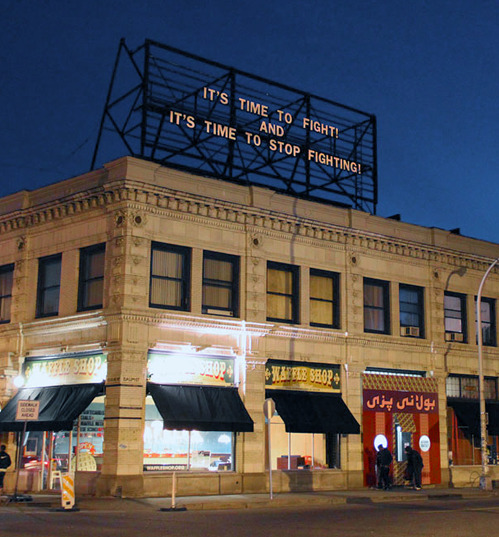
  • · A piece on the waffle shop
  • · Restaurant reviews
  • · Culinary schools
  • · Other breakfast stories…

Sunday, October 9, 2011

Social Media

Here are a few different links to Slate's social media sites:

And here are a few for Grantland:
- Tumblr (I can't quite tell if it is Grantlands "official" Tumblr, or if it is just a collection of people who have mentioned articles)

I've also chosen to join MAGNET Magazine and Paste Magazine on Facebook.

Wednesday, October 5, 2011

Lab Assignment 2

For this assignment, I chose to look at Slate Magazine and Colson Whitehead.
-Here is the Twitter feed and Facebook page for Slate
As far as Twitter goes, I think both examples use their platforms well. Slate usually just links to stories on their website, which I think is all most magazine's should use Twitter for. Anything other than that, like publishing thoughts or opinions would really just be a reflection of the employee in charge of the feed. The authors can and should tweet what they want and if it's related to their story, I think Slate can retweet it, but I don't really think they should be generating much more than articles. Slate's Facebook page works similarly to its Twitter; mostly just link to articles on their website. On their Facebook, though, there is a greater degree of interaction between followers who comment on the posts (just the posts on Facebook, not in the comments sections of the linked articles). I think Facebook allows for an interesting conversation between readers; it's less formal than commenting on the actual article (if comments online can be considered formal) in that it generates more and shorter conversations.
- Twitter and Facebook for Whitehead
One of the reasons I chose to focus on Colson Whitehead is because of his Twitter feed. As I said above, writers (especially if they're on the quippy side like Whithead) can be more personal with their tweets, and Whitehead's Twitter has a good mix of self-promotion (links to pieces, information about readings, etc) and personal anecdotes. On the other hand, his Facebook page (at least the fan page, his personal Facebook is off limits in my opinion) is very formal, listing essentially only his Wikipedia biography with very little interaction between Whitehead and readers.

Lab Assignment 1

Unfortunately, I was unable to complete this lab in the time alloted (I got caught up in Faulkner's speech). Here is what I had at the end of class.


1. Here is an excerpt from William Faulkner's speech at the Nobel Banquet in December 1950. Faulkner hated giving public speeches, which is why this speech is so interesting. My personal favorite quote from the speech:
I decline to accept the end of man. It is easy enough to say that man is immortal simply because he will still endure. That when the last ding-dong of doom clanged and faded from the last worthless rock hanging tideless in the last red evening, that even then, there will still be one more sound; that of his puny, inexhaustible voice, still talking.

Banquet Speech by William Faulkner (excerpt) - Media Player at Nobelprize.org

2. Next, January 1, 1644 fell on a Friday. From this link, I believe that the weather was cold and rainy, but with occasional bursts of sunshine,

3. The five deadliest hurricanes in U.S. history are:
1. Galveston, TX - 1900
2. Lake Okeechobee, FL - 1928
3. Hurricane Katrina, LA/MS - 2005
4. Cheniere Caminanda, LA -1893
5. Sea Islands, SC/GA - 1893

4. Here is a blueprint of Frank Lloyd Wright's Fallingwater.


5. Here is Ernest Hemingway's 1923 Passport Photo:
Five factual observations: Hemingway's middle name is Miller, he was born in Oak Park, Illinois on July 21, 1899.

More about East Liberty

Hello all! Here are a few more links to info on East Liberty as I gather research on the economic development in the area.
First, here's something on the new economic ventures in East Liberty from a few years ago, around 2006, when the Trader Joe's and Whole Foods first opened. Now that there's more big businesses coming in, like the new Target, I think it would be interesting to compare info from then to what's happening now. Initially, it seemed like the bigger businesses were geared to a younger, "hipster" crowd, whereas now it's more geared to people with families. Is the area maturing along with the crowd it initially drew in a few years ago?
Here is a New York Times article on East Liberty, claiming it's a "slumbering neighborhood" that "reawakened." This I find interesting, because I'm sure there are a lot of people who felt that the area never really went to sleep.
Finally, here is a piece from the Post Gazette that talks about offices in East Liberty that are trying new types of infrastructure and shared work places. I think this is interesting because it shows how the area is trying new ideas to try and generate interest, not just building new apartments and businesses.


And just for fun, here's a link to an article I found while researching (aka stumbling) on how to be a better writer.